
Table of contents
The Changing Landscape of Residential Security
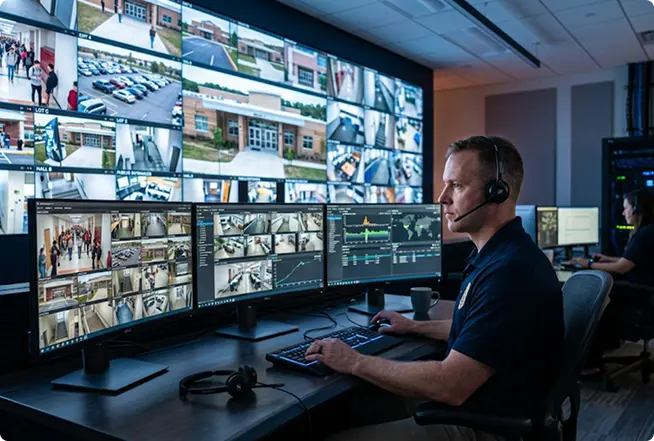
Residential communities are evolving rapidly. From gated communities to high-rise apartments, expectations around safety, convenience, and proactive management are higher than ever. Residents today are not just looking for a place to live—they want a secure environment where risks are minimized and incidents are prevented before they occur.
Traditional systems like CCTV cameras and on-site guards have long been the foundation of residential safety. However, these systems are largely reactive. They record events or respond only after an issue has already happened. This delay often leads to unresolved complaints, security gaps, and reduced resident satisfaction.
This is where AI security for residential complexes is transforming the landscape—shifting from passive monitoring to proactive protection.
What Is AI Security for Residential Complexes?
AI security for residential complexes uses intelligent video analytics and machine learning to monitor, detect, and respond to threats in real time. Unlike traditional systems that rely on motion detection alone, AI understands behavior and context.
In residential environments, AI video surveillance for residential communities can identify:
- Unauthorized access attempts
- Tailgating at entry points
- Suspicious loitering
- Unusual activity in parking areas
Solutions like VIDISKY are designed to work with existing camera infrastructure, eliminating the need for costly replacements. Trained on large-scale datasets, these systems deliver accurate, real-time insights—enabling faster and smarter security decisions.
From Monitoring to Prevention: How AI Security Works
The biggest advantage of AI security for residential complexes is its ability to move beyond observation and into action.
AI continuously analyzes live video feeds across the property, identifying patterns and anomalies rather than reacting to every motion. For example, a person lingering near vehicles at odd hours or attempting to access restricted zones can be flagged instantly.
Once detected, the system verifies the threat using contextual analysis, ensuring only genuine risks are escalated. This reduces unnecessary alerts and improves operational efficiency.
After verification, the system triggers immediate responses—alerting security personnel, notifying property managers, or initiating predefined protocols such as restricting access.
This end-to-end workflow creates a real-time security response system that prevents incidents before they escalate.
Real-World Applications in Residential Complexes
AI security enhances safety across multiple areas within residential communities:
- Entry & Exit Points – Detects tailgating and unauthorized access
- Parking Areas – Prevents theft, vandalism, and suspicious activity
- Common Areas – Ensures continuous monitoring in parks, corridors, and clubhouses
- Restricted Zones – Flags unauthorized access to service or utility areas
Across these touchpoints, residential AI surveillance shifts the focus from reacting to incidents to actively preventing them.
Key Benefits of AI Security for Residential Complexes
For property managers, housing societies, and developers, adopting AI security for residential complexes delivers measurable advantages:
- Faster Response Times – Real-time detection enables immediate action
- Reduced False Alarms – Intelligent verification minimizes noise
- Improved Resident Safety – Continuous monitoring enhances peace of mind
- Lower Operational Costs – Automation reduces reliance on large security teams
- Better Complaint Resolution – Proactive detection reduces security-related issues
- Scalable Across Properties – Ideal for managing multiple residential sites
These benefits make AI security not just a technology upgrade, but a long-term investment in safety and efficiency.
Limitations of Traditional Security Systems
Understanding the limitations of traditional systems highlights why AI is essential.
CCTV systems primarily record footage, which is reviewed only after an incident occurs. This limits their ability to prevent issues in real time.
Security personnel, while critical, cannot monitor multiple feeds continuously without fatigue. Human error and delayed response are common challenges.
Motion-based alerts generate frequent false alarms, leading to alert fatigue and reduced effectiveness.
These gaps make it clear that AI security for residential complexes is a necessary evolution.
Moving Toward Intelligent Residential Security
The transition to AI-driven security represents a fundamental shift in how safety is managed.
Instead of relying on alerts alone, AI systems interpret situations and act instantly. This ability to understand context and respond proactively makes residential AI surveillance significantly more effective.
Industry experts such as ASIS International emphasize the growing importance of proactive, intelligence-driven security systems—reinforcing the role of AI as the future of residential protection.
Conclusion: Building Safer Communities with AI Security
Residential security is no longer just about surveillance—it’s about prevention, efficiency, and trust.
AI security for residential complexes delivers real-time threat detection, intelligent analysis, and rapid response—addressing the limitations of traditional systems and creating safer living environments.
As safety expectations continue to rise, adopting AI is no longer optional—it’s becoming essential.
Still relying on cameras that only record incidents after they happen?
Discover how VIDISKY can transform your existing surveillance into a proactive, real-time security system designed for modern residential communities.
Take the next step toward smarter, safer living—start your AI security journey today.
Related Blogs
Thought Leadership
September 4, 2026
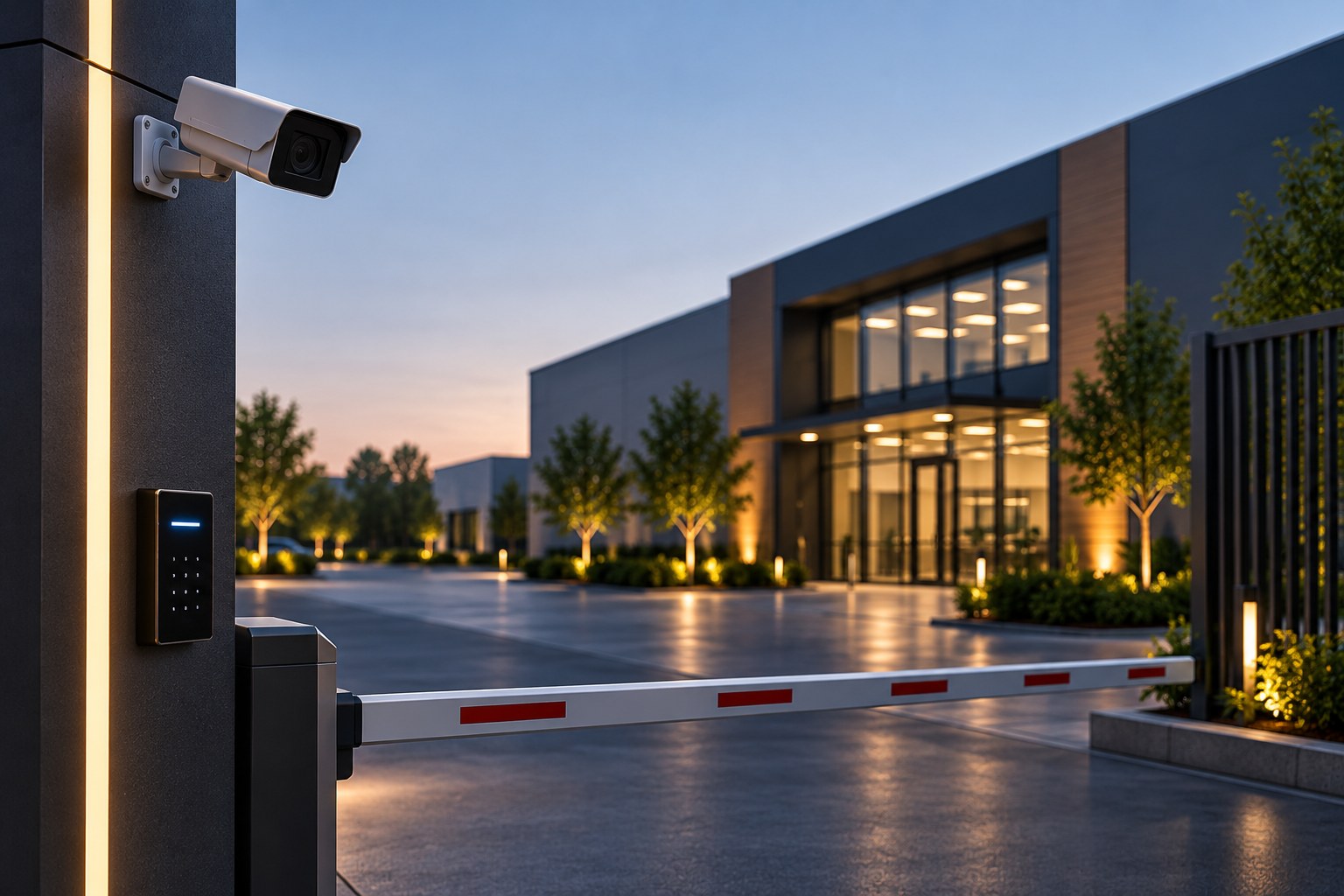
The Hidden Costs of Reactive Security for Commercial Properties
Commercial property security budgets rarely account for the true cost of reacting after an incident has already happened. This post breaks down the hidden costs of reactive security, from theft and vandalism to liability exposure and lost staff hours, and shows how VIDISKY AI helps property teams shift to real time, proactive protection using the cameras they already have.
The Hidden Costs of Reactive Security for Commercial Properties
September 4, 2026
Thought Leadership
August 27, 2026
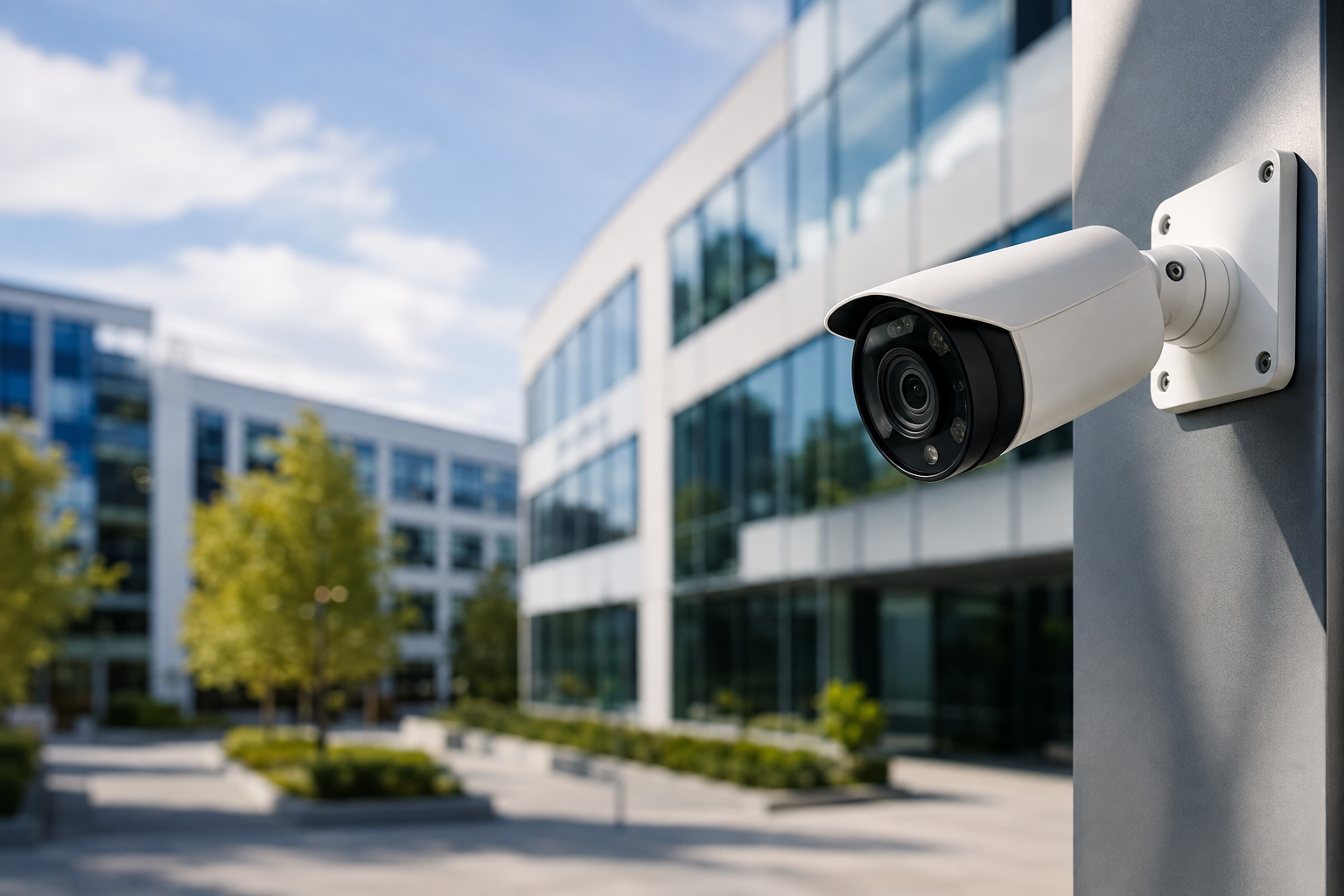
How to Increase Property NOI With Smarter Security
Rent growth and expense cuts aren't the only levers for property NOI. This guide breaks down how AI-powered security reduces preventable losses, frees up staff time, and protects tenant retention, and how VIDISKY AI helps property owners put that strategy into practice using the cameras they already have.
How to Increase Property NOI With Smarter Security
August 27, 2026
Thought Leadership
August 20, 2026
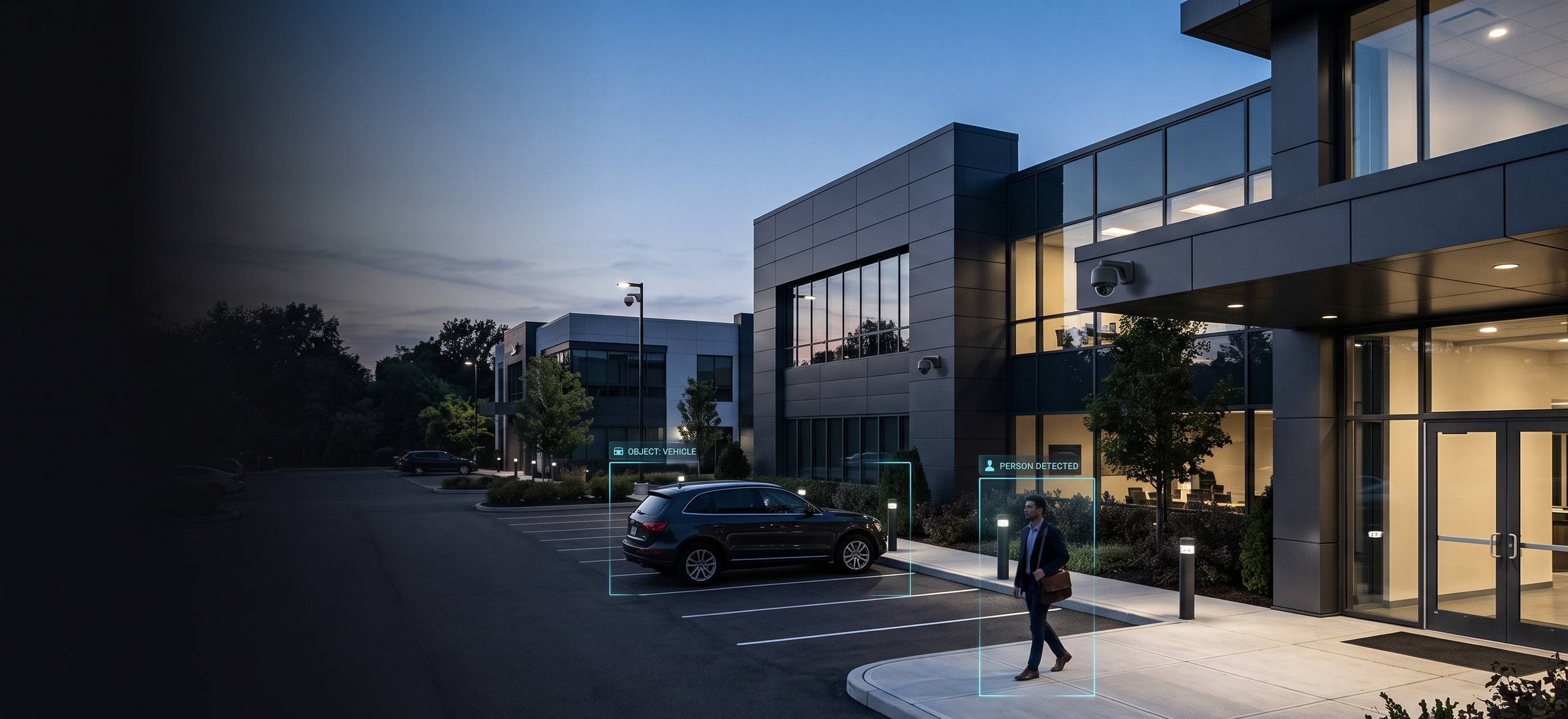
10 Signs Your Property Needs a Security System Upgrade
Grainy cameras, slow response times, and repeat incidents are more than minor annoyances. They can be signs that your property's security system is no longer keeping up. Here are 10 warning signs that it may be time for a security upgrade and what to look for in a modern, AI-powered system.
10 Signs Your Property Needs a Security System Upgrade
August 20, 2026