
How to Improve Parking Lot Security at Apartment Communities
From vehicle theft to trespassing and late-night incidents, unmonitored lots create real risks for residents and real liability for property managers. This guide explores the most effective, AI-powered strategies to transform your parking areas into monitored, secure, and legally defensible spaces.

Table of contents
How to Improve Parking Lot Security at Apartment Communities
Parking lot security is one of the most overlooked vulnerabilities at apartment communities and one of the most consequential. While residents focus on what happens inside their units, management teams often underestimate the risks that unfold after dark in unmonitored lots: vehicle break-ins, catalytic converter theft, vandalism, trespassing, and worse. For property managers and security directors, those risks translate directly into resident complaints, lease turnover, insurance claims, and in serious cases, legal liability.
The challenge isn't just installing a few cameras and hoping for the best. Effective parking lot security requires a layered strategy that combines physical deterrence, intelligent monitoring, and rapid response, without burdening your on-site team or requiring round-the-clock staffing.
This guide breaks down the most impactful steps you can take to secure parking areas at apartment communities, including where AI-powered security technology delivers measurable advantages over traditional approaches.
Why Parking Lots Are a High-Risk Zone for Apartment Properties
Before addressing solutions, it's worth understanding why parking lots are particularly vulnerable.
Low natural surveillance. Unlike lobbies or building entrances, parking lots are rarely in the sightline of residents or staff. An incident can unfold, and conclude, without anyone noticing.
Inconsistent foot traffic. Lot activity spikes during morning and evening commutes but drops dramatically at night, creating extended windows of minimal human presence.
Multiple access points. Many apartment parking areas have several entry and exit points, making perimeter control difficult without intelligent monitoring tools.
High-value targets. Vehicles represent significant assets for your residents. Catalytic converters, in particular, have become prime targets for organized theft rings operating in multifamily communities.
Liability exposure. If a resident or visitor is assaulted, robbed, or injured in your parking area and you lack documented security measures, the property owner faces serious negligent security claims.
Core Pillars of an Effective Parking Lot Security Strategy
Transforming a vulnerable parking lot into a secure asset requires a blend of proactive evaluation, physical deterrence, and intelligent technology. Instead of relying on passive, retrospective monitoring, a modern security framework focuses on active prevention and real-time response.
1. Comprehensive Parking Lot Security Assessments
Improvement starts with an honest, data-driven evaluation of your current setup. Property managers should routinely audit their infrastructure by asking targeted questions:
- Access Control: How many entry and exit points does the lot have, and are they controlled or open?
- Coverage & Visibility: Where are existing cameras positioned, and do blind spots exist? Are there clear sightlines from the leasing office or guard station?
- Illumination: Is lighting adequate across all sections of the lot, including peripheral areas?
- Historical Data: Has the property experienced incidents in the last 12 months, such as vehicle break-ins, vandalism, or unauthorized access?
- Tenant Sentiment: Do residents report feeling unsafe when accessing their vehicles at night?
2. A Strong Physical Infrastructure Foundation
Technology layered onto a broken physical foundation delivers incomplete results. Before deploying advanced monitoring software, ensure the physical basics are optimized:
- High-Impact LED Lighting: Adequate lighting is the single highest-impact, lowest-cost deterrent available. Prioritize LED conversion across all corners, adjacent stairwells, and walkways. Use motion-activated lighting in low-traffic zones to maintain high visibility while managing energy costs.
- Reinforced Perimeter Control: Establish clear boundaries using fencing or low barriers that naturally funnel foot traffic toward monitored entry points. Implement gated access utilizing key fobs, intercoms, or automated license plate readers.
- Signage as Active Deterrence: Prominent, clearly worded signs stating the premises are under 24/7 surveillance communicate a psychological barrier to would-be offenders before they approach.
3. Intelligent, AI-Powered Surveillance
Traditional CCTV was designed for post-incident review, not active protection, meaning footage is typically reviewed after a crime has occurred. Intelligent AI surveillance fundamentally shifts the equation from reactive to proactive:
- Real-Time Threat Detection: Modern AI security platforms continuously analyze live video feeds to detect active threat indicators, such as loitering in low-traffic zones, individuals approaching multiple vehicles in suspicious patterns, or unauthorized after-hours access.
- Smart Filtering: Advanced platforms like VIDISKY process live feeds across existing camera networks and escalate only verified threats to a monitoring team, entirely eliminating the false alarm fatigue that plagues legacy, motion-triggered systems.
- Camera-Agnostic Deployment: Upgrading security doesn't require a costly hardware overhaul. A camera-agnostic AI platform integrates seamlessly with your existing camera infrastructure, upgrading its intelligence layer without demanding full hardware replacement.
- Immediate Active Deterrence: When a threat is detected, passive recording is only half the solution. Automated strobe triggers and real-time audio "voice-downs" delivered through on-site speakers signal to intruders that they are actively being watched, consistently interrupting criminal activity before it escalates.
4. Hybrid Threat Verification (AI + Human Expertise)
Fully autonomous systems that trigger alarms or dispatch emergency services without human review often cause operational disruption, strain law enforcement relationships, and increase liability. A hybrid approach provides the ideal balance:
- Enhanced Accuracy: AI handles the intensive task of monitoring dozens of camera feeds simultaneously, while a trained human analyst verifies the threat before an active response or escalation is initiated.
- Minimized False Alarms: Benign activity (such as a resident retrieving an item from their car late at night) is filtered out, ensuring your on-site team only focuses on genuine security events.
- Robust Liability Protection: A documented, human-verified response chain creates defensible, timestamped records that demonstrate a high standard of reasonable care in the event of legal claims.
5. Integrated Access Control and License Plate Recognition (LPR)
Maintaining complete situational awareness of who is entering and exiting your property is foundational to multi-family residential security. Integrating LPR technology allows property managers to:
- Automate Threat Alerts: Instantly cross-reference vehicle plates against digital watchlists to flag unauthorized, unrecognized, or banned vehicles the moment they cross the property line.
- Maintain Digital Ledgers: Log precise entry and exit times for all vehicles to provide residents and law enforcement with reliable evidence in the event of a dispute.
- Proactive Whitelisting/Blacklisting: Streamline resident access while ensuring known offender vehicles from prior incidents are blocked from entering gated lots.
6. Continuous Governance, Documentation, and Communication
Parking lot security is an ongoing operational practice, not a one-time installation project. Sustained safety requires ongoing administrative habits:
- Routine System Audits: Schedule quarterly reviews of camera angles, lighting functionality, and access control hardware to account for shifting blind spots caused by seasonal vegetation growth or lot reconfigurations.
- Granular Incident Logging: Every verified threat event must be logged with a timestamp, camera ID, analyst actions, and final outcome. This data aids in hotspot trend identification and streamlines insurance documentation.
- Transparent Resident Communication: Keeping residents informed about parking lot security upgrades, active response protocols, and reporting channels fosters community trust, enhances peace of mind, and directly drives higher lease renewal rates.
Why Apartment Communities Choose VIDISKY for Parking Lot Security
VIDISKY was built for exactly this challenge: delivering enterprise-grade security monitoring to multifamily properties without the cost and complexity of a full-time on-site guard force.
Our platform combines:
• Autonomous AI threat detection that monitors your entire camera network in real time
• Human-in-the-loop verified response delivering action within approximately 45 seconds of a verified threat
• Active deterrence capabilities including live voice-downs and strobe alerts that interrupt criminal activity in progress
• Camera-agnostic integration that works with your existing hardware investment
• Comprehensive incident documentation that supports liability protection and insurance compliance
• Integrated LPR (License Plate Recognition) and LPNR (License Plate Number Recognition) for accurate license plate number reading, vehicle identification, access monitoring, watchlist alerts, and investigative search across parking lots.
For property managers and security directors overseeing apartment communities, VIDISKY delivers a measurable reduction in parking lot incidents, with a documented response capability that protects both residents and the property owner from the consequences of inadequate security.
Conclusion
Effective parking lot security at apartment communities requires more than a camera mounted at the entrance. It demands a layered strategy, strong physical infrastructure, intelligent AI-powered monitoring, active deterrence, human verification, and ongoing governance, working together to create an environment where criminal activity is detected, interrupted, and documented before it becomes a crisis.
VIDISKY gives property teams the tools to get there. From autonomous threat detection to verified rapid response, our platform is purpose-built for the parking lot security challenges that multifamily properties face every day.
Ready to Improve Your Parking Lot Security?
Contact VIDISKY today for a free security assessment of your apartment community. Our team will identify your highest-risk vulnerabilities and recommend a tailored monitoring solution, no obligation, no hardware lock-in.
Related Blogs
Thought Leadership
September 4, 2026
The Hidden Costs of Reactive Security for Commercial Properties
Commercial property security budgets rarely account for the true cost of reacting after an incident has already happened. This post breaks down the hidden costs of reactive security, from theft and vandalism to liability exposure and lost staff hours, and shows how VIDISKY AI helps property teams shift to real time, proactive protection using the cameras they already have.
The Hidden Costs of Reactive Security for Commercial Properties
September 4, 2026
Thought Leadership
August 27, 2026
How to Increase Property NOI With Smarter Security
Rent growth and expense cuts aren't the only levers for property NOI. This guide breaks down how AI-powered security reduces preventable losses, frees up staff time, and protects tenant retention, and how VIDISKY AI helps property owners put that strategy into practice using the cameras they already have.
How to Increase Property NOI With Smarter Security
August 27, 2026
Thought Leadership
August 20, 2026
10 Signs Your Property Needs a Security System Upgrade
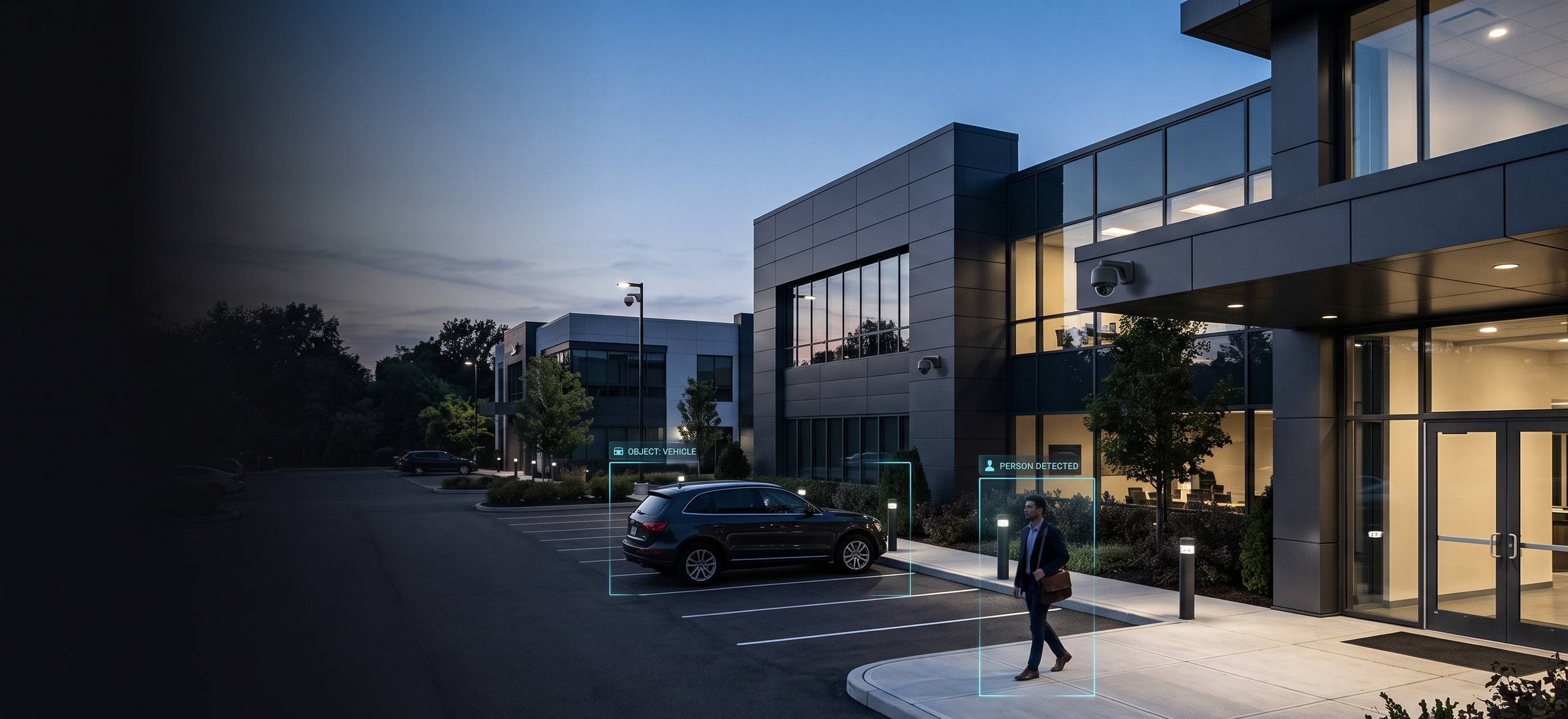
Grainy cameras, slow response times, and repeat incidents are more than minor annoyances. They can be signs that your property's security system is no longer keeping up. Here are 10 warning signs that it may be time for a security upgrade and what to look for in a modern, AI-powered system.
10 Signs Your Property Needs a Security System Upgrade
August 20, 2026